
The Charleston Field Guide
Notes on marsh living, shucking oysters, and exploring the quiet edge of the Lowcountry
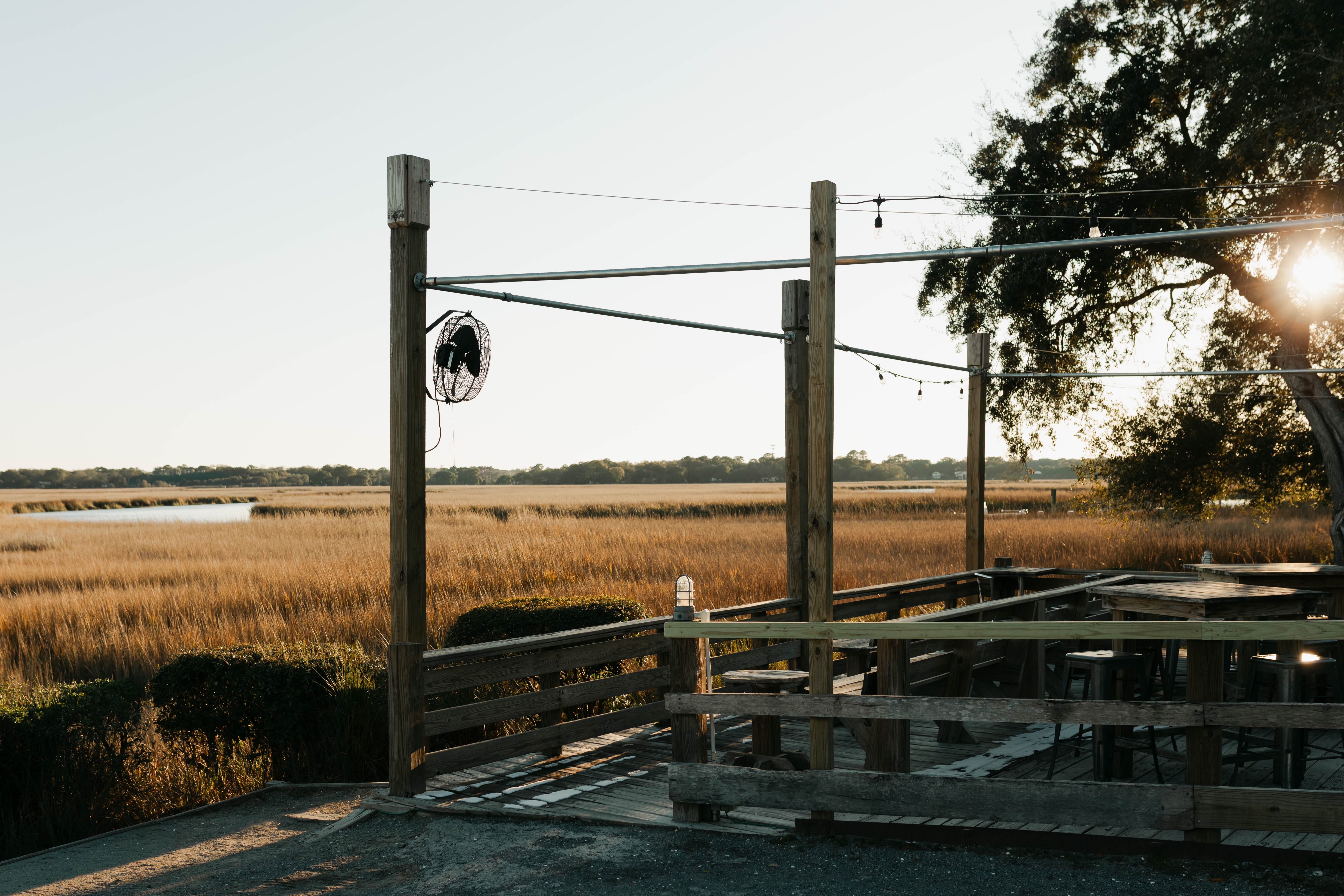
The heat of the day hangs heavy — the wafting scent of low tide, pluff mud yielding underfoot, the gentle sound of egrets wading down the creek — ground me instantly. The small creek behind our home has been a quiet haven, an instant release from the pressures of the day. A tiny postcard from our time in the Lowcountry.
These Field Guides are an invitation to slow down and connect more deeply — with a region, an experience, a craft or a season. They’re a brief escape into landscapes, traditions, and the small, often overlooked rituals that give life character and soul. I’m by no means an expert; these guides are simply written reflections of my own experiences and the places where I’ve felt most grounded — where I’ve had the chance to brush up against what feels like the heart of something good.
The Charleston & Lowcountry Field Guide feels especially meaningful to me because it has been home for the last five years, and because I’m not a native. I was welcomed wholeheartedly by the community, the landscape, and the culture, and given a small taste of what makes this place endure. I hope this lens — colored by marsh grass and roseate spoonbills, live oaks and golden evenings at the docks — is something you can carry with you. Whether you’re a local or an out-of-towner, there’s something we can all learn from a little taste of the Lowcountry.
Life on the Water: Experiencing the tides, maritime culture and working water
The tides are inextricably linked to life here. Islands and peninsulas are wrapped in water on every side as the sea pours through the landscape, cushioning each pocket of land. Marsh grass and winding creeks form both a barrier and a refuge — protecting wildlife and shaping daily rhythms. The connection to the water is constant and undeniable.
To truly experience the marsh, it helps to leave town for a while. Head north toward Cape Romain National Wildlife Refuge. Drive south and explore the ACE Basin. Let conservationists and locals guide you. I still remember my first trip with Coastal Expeditions out to Bull Island — seeing the marsh untouched, birds undisturbed, oysters thriving, and some of the most beautiful shells I’ve ever found scattered along the shore. It felt like a pure connection to the wildness of it all, and a reminder that it’s something worth protecting.
That lesson was echoed again and again during my time learning from the Charleston Waterkeeper: the water here is what keeps both the city and the marshes alive.
The tides dictate a little bit of everything in Charleston. With an average swing of five to six feet each day, you’ll feel their presence — especially in the air on a low tide. Fishing follows the same rhythm. Catching a tailing redfish on a summer flood tide is a rite of passage, one I still replay in my mind: reading the water, presenting the fly, the quiet moment of the release. Learn the tide swings, and you’ll learn how to move through the water with intention.
Much of what I know about the water here came from my time working at Marsh Wear Clothing and from the people who took the time to teach me. It was a gift. Whether you’re looking to participate — joining annual tournaments like the Holy City Tarpon Tournament or the Lady Red Rendezvous — or simply want to gear up for your own pursuits, a stop by their King Street store offers a deeper look into the culture that surrounds the water here.
Charleston’s history is undeniable, but beyond its place among America’s oldest cities, the legacy of working water remains deeply present. Mcclellanville’s shrimp fleet and oyster farms like Lowcountry Oyster Company are living proof of a culture still tied to tides, harvests, and stewardship — where livelihood and landscape remain inseparable. Experience them if you can.
Field Notes:
Let the tides set your schedule.
Meet local watermen and listen to their stories.
Prepare for a true taste of the wild south — mosquitoes included.
Practice stewardship; preserving these places is our shared responsibility.
Rusting Gathering Places & Country Cooking – A taste of Southern cuisine and hospitality
There’s no shortage of hidden gems when it comes to Southern cooking — places where hospitality feels instinctive and the connection to the land and sea is woven into every plate. For the sake of this guide, we’ll focus on a handful of gathering places and pit stops that feel like stepping straight into the heart of the Lowcountry — from the moment you open the front door to the last bite of shrimp and grits.
Starting north, T.W. Graham & Co. is nestled in the quaint coastal village of McClellanville. I always notice the oak trees first — a peaceful welcome before you pull in. A weathered sign over the door reads, eat local shrimp here, and they mean it. McClellanville’s shrimp docks — home to Carolina Seafood and Livingston’s Bulls Bay Seafood, collectively supply much of Charleston County’s shrimp. It goes without saying: order the friend shrimp. And don’t leave without a slice of key lime pie for the road.
Heading south towards the peninsula, the drive carries you through the Francis Marion Forest, past long stretches of pine and sweetgrass basket stands, before delivering you to Awendaw. Here, SEWE Outpost stands as a gateway to the wild coastal south – an iconic stop and keeper of tradition. From crab traps to homemade country ham biscuits, it transcends its appearance as a gas station the moment you walk through the doors. Grab a MoonPie moon pie and an Arnold Palmer, and don’t miss the hot biscuit or fried chicken sandwich from the back. If there’s one stop you make on this list, make it this one.
In downtown Charleston, Leon’s Oyster Shop offers a glimpse into a world gone by. Once owned by Leon Ravenel, this neighborhood staple has preserved the bones of the old body shop that once inhabited its walls. Serving fried chicken, oysters and cheap beer, it’s the kind of place you return to — again and again.
Just off the peninsula on the northeast side of James Island, Ellis Creek Fish Camp sits quietly along the marsh. As the name suggests, this casual rustic spot serves everything from whole fried flounder to po’ boys, paired with some of the most expansive sunset views in town. Arrive early, expect a line and plan to stay awhile — it’s as much about the setting as it is the shrimp and grits.
Out on Folly Beach, Bowen’s Island is a true Lowcountry institution. From Frogmore stew to local oysters and fried shrimp, the menu reads like the greatest hits of coastal cooking. Come straight from the water, gather at the boathouse or tiki bar, or watch oyster roasting in the oyster room — there’s no shortage of charm here, only reasons to linger.
Beyond restaurants, the Lowcountry offers abundant access to ingredients inspired by the landscape. Marsh Hen Mill immediately comes to mind. Located on Edisto Island, they specialize in freshly milled heirloom grains, preserving southern foodways and the timeless craft of stone-ground milling for generations to come.
Hum Grocery at Historic P.M. King’s is another meaningful stop — rooted in preservation, community and deep respect for place. Highlighting regional grab-and-go favorites and championing a shop-local mentality, places like these continue to sustain the culture, history and hospitality that define the Lowcountry.
Field Notes:
Build pitstops into your outdoor rituals — SEWE Outpost before running dogs, Hum Grocery after a long day on the water.
Source your ingredients locally, and support the establishments doing the same.
Linger a little longer around the table; some of the best moments happen after the plates are cleared.
Charleston’s Sporting Culture – a place for sporting clays, bird dogs and the art they inspire
Sporting traditions found us in Charleston. From the pine forests to clay stands, the culture here is quietly connected to shooting sports and the lifestyle that surrounds them. Before living in Charleston, I had never shot a shotgun — never even held one. But from my first day on the clays course, I knew it was something that would stay with me.
The weight of the wood against your chest. The calm and patience required to track a clay as it glides across the sky and disappears into the trees. Pastimes like this breathe fresh life into me, pulling focus away from everything else — except for the next pull. We spent much of our time at Bluefield Shooting Club, though there are countless five-stand and sporting clays courses scattered throughout the Lowcountry, each offering its own rhythm and setting.
Charleston is also where our bird dogs entered the picture — all three of them. Maybe it was my husband’s first inclination towards a dog, or maybe it was the all-consuming obsession that followed that set us on this path. Either way, I’m endlessly grateful. While most of our hunting trips take place beyond the Lowcountry, it was the sporting culture here that inspired those pursuits and shaped the way we move through them.
For those who live and breathe this life, a visit to the Sportsman’s Gallery on King Street is essential. One of only three locations nationwide, the Charleston gallery showcases art inspired by the South — from fly fishing scenes to bobwhite quail and upland traditions. With works spanning the 19th century and beyond, it’s a place that doesn’t just reflect the sporting life — it deepens it, and often sends you back outdoors inspired for the next pursuit.
Field Notes:
Make time for the clays course; it will clear your mind more than you expect.
Get a bird dog and take them hunting — few things have shaped my life more.
Collect art inspired by the outdoors, or learn to create something of your own as a way to stay rooted in place and tradition.
Lowcountry Rituals – a Charleston Bucket List of sorts
Beyond the places to see and experience — to get lost in the beauty of landscape and its culture — there are also rituals to be lived. Traditions inspired by Charleston that take a little time, a little effort, and a willingness to linger. This guide won’t tell you how to do them, only offer a collection of moments you can make your own:
Host an oyster roast: Do it near the marsh if you can — maybe dockside, maybe under the oaks. Take in the smell of the smoke, the sound of gathering, dogs underfoot. Let it stretch long into the evening.
End the day on an old porch: Front or back it doesn’t matter. Find a rocking chair, listen to the creek and watch the sun sink low.
Catch a redfish on fly: Flood tide or a low tide, in the heat of summer or the dead of winter. Whether you succeed or not, slow down. Learning the water is the reward.
Go looking for glass bottles in the marsh: There are little pieces of history everywhere, half-buried and waiting. Go find them.
Send time at the sporting clays course: Morning or afternoon. Rent the golf cart, bring snacks, make a day out of it.
Take it slow during slack tide: When the fishing slows, pull the boats together. Swim in the creek, share good food, and enjoy the pause.
Go crabbing in the creek: A Lowcountry tradition. Catch a blue crab to add it to the boil.
Grab tickets for SEWE: If you’re looking for the full expression of sporting life and culture, there’s no better weekend.
Tour the working land and water: The heart of this place is lives in the connection between food, its source, and the people who steward it. Visit an oyster operation. Stop at a farm stand. Source locally.
Have a lowboil at Sandy Point: Take the skiffs out with your people and watch the sun set over the marsh. Add a campfire. Maybe stay the night.. If you do, I hope you see the dolphins feeding at dusk — my most meaningful days here always ended that way.
Taking the Charleston Lowcountry With You
Every time I look out over the marsh and see the egrets and the spoonbills, every time a redfish cruises the creek, every time a fiddler crab climbs a stalk of grass, a little more of this place is settles into me. The Lowcountry is rich with character and life — beautiful, grounding and generous in what it offers to those willing to pay attention.
If it’s taught me anything, it’s that slowing down, gathering well, and feeling connected to home begins with learning the landscape, the craftsmen, the people and the traditions that shape it. It’s about honoring seasons and tides and the tides as they come and go.
This field guide is only a small collection of thoughts, experiences, and moments — but I hope it helps you carry a little piece of the Charleston Lowcountry with you, wherever you find yourself next.
Field Index
For easy reference, here’s a short index of places mentioned throughout this guide.


Beautifully described!